
Australian Resources Outlook
19 October 2026
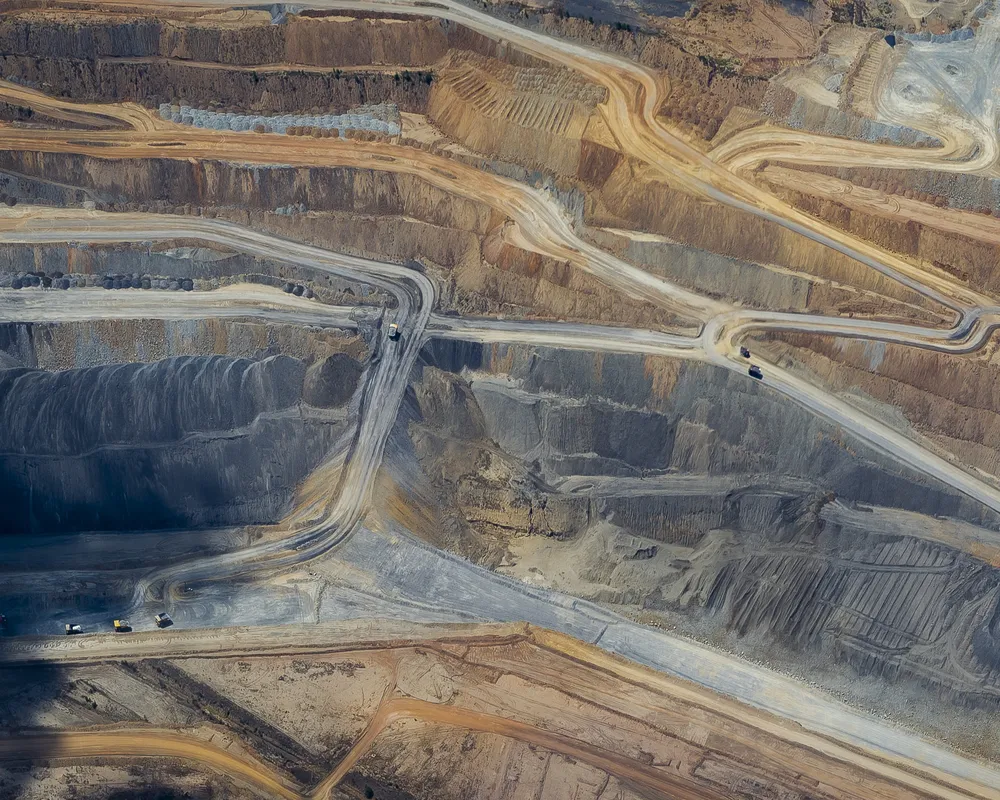
Five forces reshaping capital availability, project resilience and decision-making across the resources sector
Australia’s energy and resources sector is a global powerhouse, directly contributing up to 11% of Australia’s GDP1. Demand for energy and resources remains strong but climate change, energy transition policies, and the state of the global economy have all had a direct impact on the sector locally, leading to material cyclical swings, not always aligned across commodity groups or industries reliant on the sector.
While the sector remains well positioned, a defining feature of 2026/2027 is how the emerging pressures are converging.
Energy and resources businesses are facing increasing pressure from project challenges, cost over-runs, margin pressure, and a discerning capital market that favours quality assets and disciplined investing. For boards and leadership teams, this is creating a greater need to assess funding options early, strengthen balance sheets, stress-test contingency plans and respond decisively where signs of distress emerge.
The next phase of the resources cycle will reward preparation rather than commodity-price optimism. Quality assets remain important, but capital will favour businesses that combine operational discipline with funding flexibility, credible emissions management, coordinated government engagement, and resilient supply chains. Waiting until a covenant, approval, or liquidity deadline is close means that lenders, regulators and market conditions can determine outcomes. For boards, the practical priority is to act while options remain available. Understanding stakeholder behaviour, downside cash requirements and intervention points early can help to preserve control.
1. Capital is available, but discipline has tightened
Resources projects are capital-intensive by nature and require substantial investment well before they generate returns. Major assets can sometimes carry investment horizons that run for decades. In this environment, financiers are concentrating on assets with competitive operating costs, credible development plans, resilient balance sheets and management teams capable of delivering against forecast assumptions.
Established producers with tier 1 assets generally retain access to conventional debt and equity. Sub tier 1 asset holders, development projects and higher-cost operations face a narrower market with more demanding financiers. Traditional lenders remain cautious in carbon-intensive or operationally complex assets, while private credit funds, commodity traders, royalty providers and offtake counterparties are filling some of the gap.
While alternative capital can offer speed and flexibility, terms often include higher cost, enhanced reporting, security over key assets, board representation, or stronger rights when performance deteriorates. Boards need to understand, not only whether money is available, but how each provider is likely to respond in the event of a production miss, cost overrun, or liquidity shortfall.
“There’s money available but capital providers are disciplined and funders are very active in managing their positions, particularly when performance runs off plan.”
- Shaun Fraser, Partner, Restructuring
.
When funding pressure becomes business risk
Market volatility, geopolitical uncertainty, cost inflation, regulatory scrutiny and rising community expectations are already driving increased restructuring, capital advisory and contingency planning activity across McGrathNicol’s Energy & Resources team.
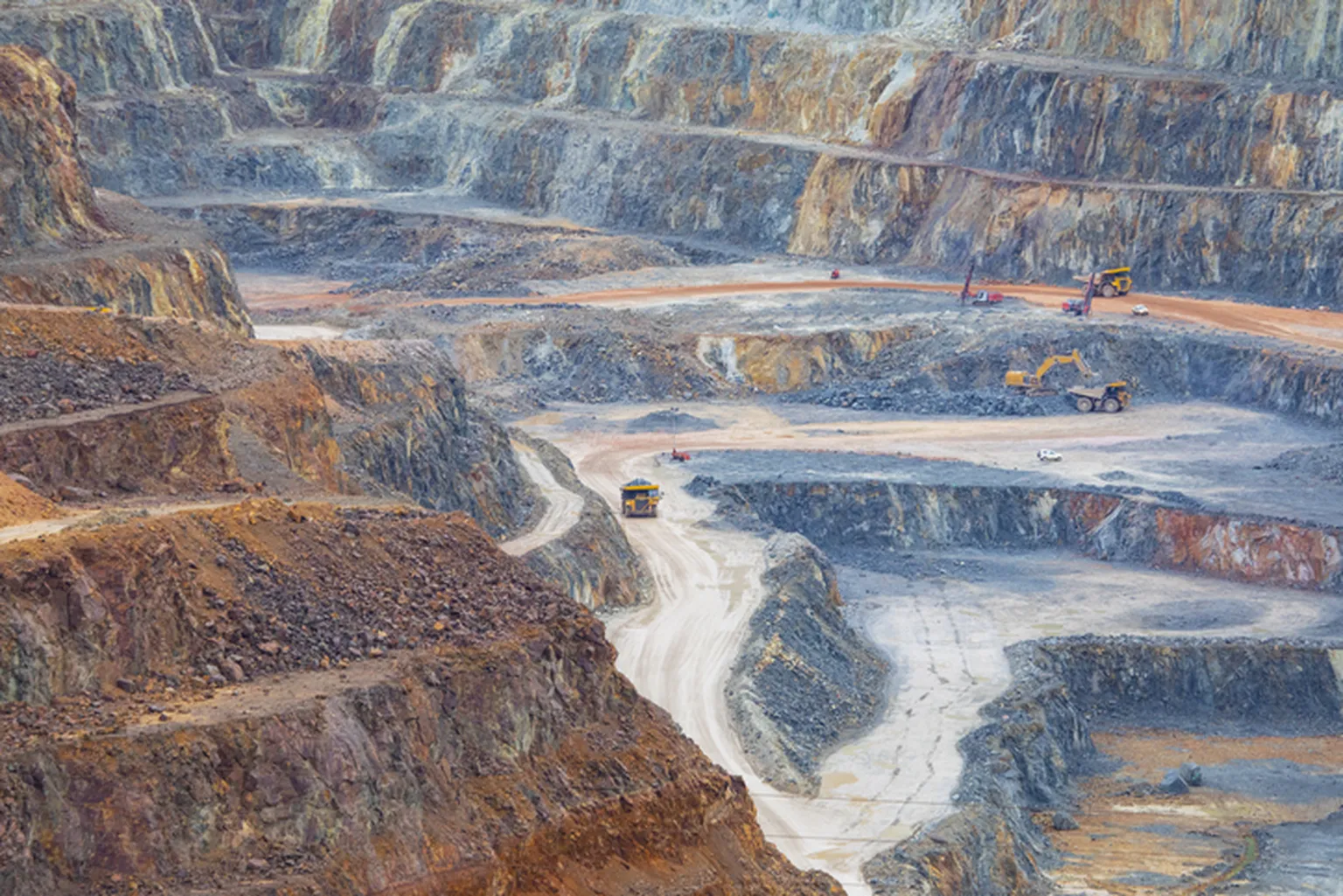
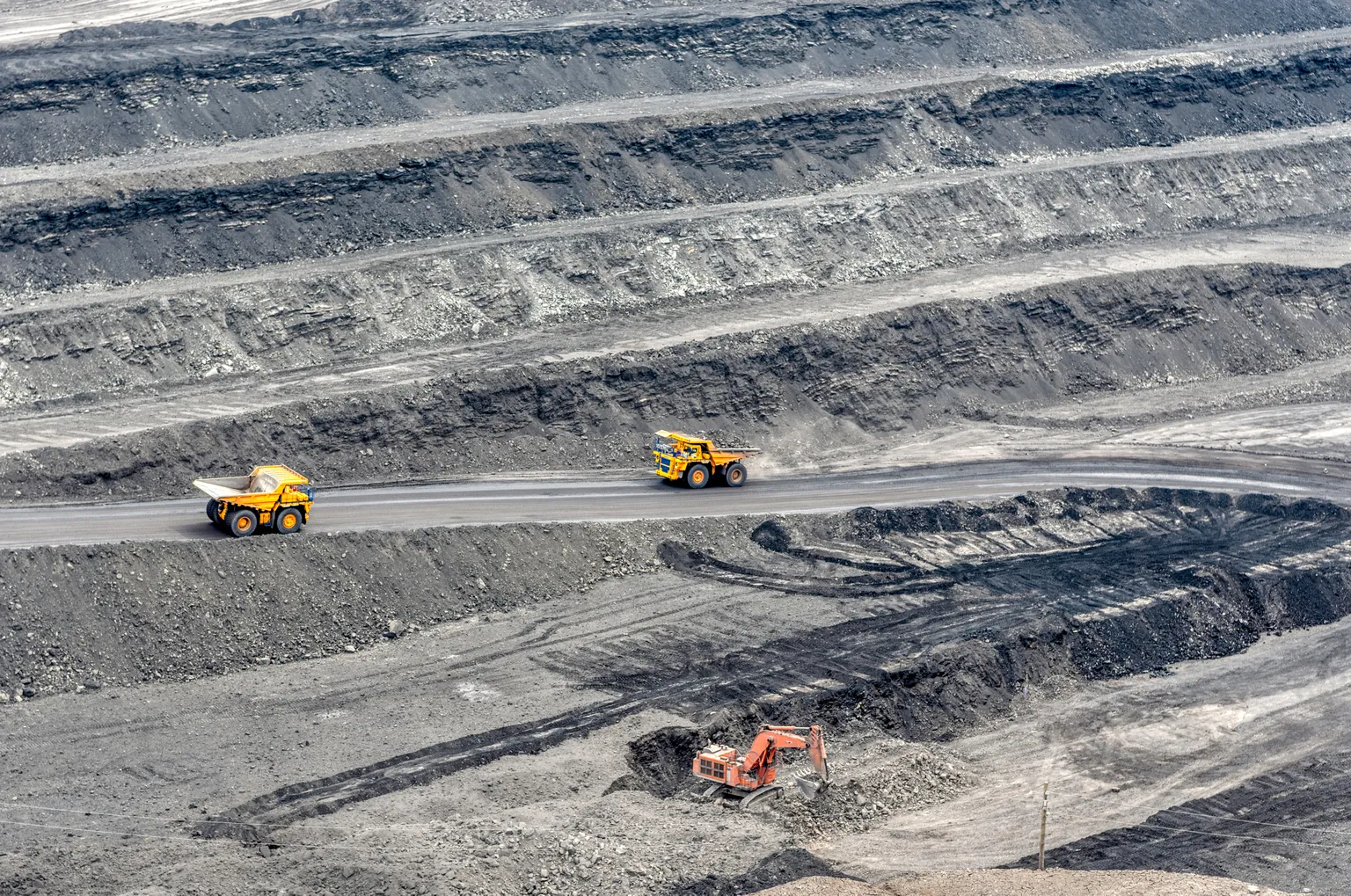
High-profile mining receiverships and insolvency processes, including Bowen Coking Coal and Tahmoor Coal, illustrate the point. In both circumstances, funding was required for development work to extend mine life on good quality sub-tier 1 assets. While each circumstance was different, conventional funding could not be secured in time and the companies entered formal insolvency processes. A viable resource can therefore be compromised when its capital structure cannot fund the next stage of development. Ultimately, demand emerged for both underlying assets after they were separated from the legacy financing structure through an insolvency process, with strong bidding for each mine and positive outcomes achieved for creditors. The case studies below outline recent situations where McGrathNicol has worked with resources businesses and stakeholders to stabilise operations, manage funding pressure and preserve value.
Tahmoor Coal
Bowen Coking Coal
Evolution Mining
RUC Holdings
Tahmoor Coal
Liquidation
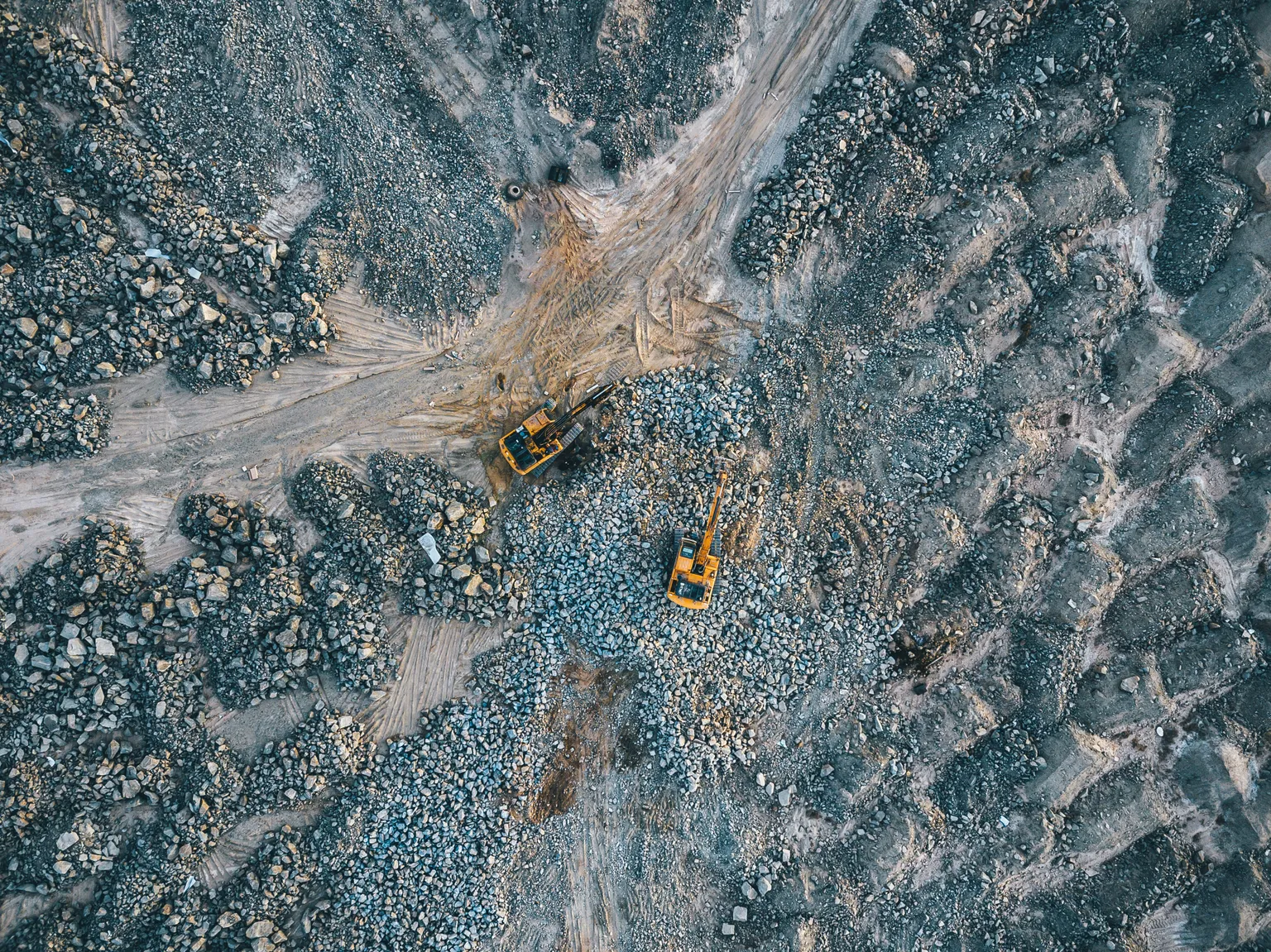
This appointment saw McGrathNicol appointed as liquidators after putting in place emergency debt funding of $40 million (the first of its kind) prior to our appointment by the Supreme Court of NSW. That funding, our clear strategy and rapid engagement with secured creditors, including a negotiated outcome providing a structured agreement to ensure alignment with all critical stakeholders, enabled the stabilisation of operations and time to undertake an accelerated sale process. After a highly competitive sale process, we have been able to secure an agreement to sell the assets to a consortium of experienced Australian resources sector investors and operators. The outcome is expected to deliver a material recovery for creditors, the NSW Government and employee entitlements. Importantly, it also creates a clear pathway to restart mine operations and re-engage the local workforce.
2. The energy transition is becoming a question of economics
The outlook for coal is increasingly differentiated. Thermal coal faces long-term pressure as power systems add renewable generation and governments pursue emissions-reduction objectives. Energy security concerns and disruptions to international supply continue to impact demand and pricing. The outlook for quality assets however, is likely to remain positive.
Metallurgical coal has a different role. Steel is required for buildings, transport infrastructure, transmission networks, renewable energy equipment, and data centres. Lower-emissions steelmaking is developing, but conventional blast furnace production continues to depend on coking coal. High-quality Australian metallurgical coal assets therefore remain strategically relevant, even as financiers apply tighter environmental criteria.
For miners more broadly, carbon regulation is moving into mainstream financial analysis. Facilities covered by Australia’s Safeguard Mechanism must operate within emissions baselines or manage excess emissions using eligible compliance options. The National Greenhouse and Energy Reporting framework provides the measurement and reporting foundation for these obligations. Increasing regulatory and compliance costs can have a material impact on costs and funding, particularly those emitting higher levels of methane.
Lenders and investors are examining emissions intensity, future baseline exposure, potential Australian Carbon Credit Unit requirements and the capital needed to reduce emissions. For coal operations, fugitive methane and the practicality of capture or abatement measures are becoming particularly important.
Carbon is no longer only an ESG disclosure issue. It can affect operating costs, cash flow, valuation and debt capacity.
3. Geopolitics is redirecting supply chains and investment
Security of supply now sits near the centre of many investment decisions. Trade restrictions, global conflicts, industrial policy and competition for critical inputs can alter commodity flows, equipment availability and financing conditions.
Australia can benefit from this shift. Its relative political stability and reserves of iron ore, copper, lithium, rare earths, gas and metallurgical coal make it an attractive supply-chain partner. Projects that reduce dependence on concentrated sources of supply are likely to attract greater interest from governments, export credit agencies, sovereign investors and industrial customers.
The same environment creates risks, however. Tariffs or trade disputes can interrupt export markets while shipping disruption and shortages of specialised equipment can increase costs or delay construction. Companies seeking capital should demonstrate where critical inputs come from, how products reach customers, and what alternatives exist if established routes or counterparties become unavailable.
4. Global prices must support an Australian cost base
Cost control can be a constant battle for Australian miners exposed to periods of material price volatility. Prices for both thermal and coking coal crashed to long-term lows in 2025 but have since rebounded. Iron ore prices have receded more gradually over the past five years, while base metals, critical minerals and rare earths have continued to fluctuate.
What is clear is that markets can be volatile and the current geopolitical landscape is complex. The challenge for Australian resource companies is that they earn revenue at prices established in global markets, often in US dollars, while most of their labour, contracting, energy, and logistics costs are priced in AUD. A stronger AUD reduces revenue at the same time as cost inflation increases materials, equipment, labour, financing costs and erodes margins. Even when headline commodity prices appear to be a sign of industry strength, margins can be under pressure.
“Our recent work in the coal sector highlights how low commodity prices can coincide with a strengthening AUD and cost inflation. This has magnified margin pressure to the point where a number of operators have become cash negative. Long term cost management and cash discipline is required with an eye on future development costs and financing availability.”
- Mark Holland, Partner, Restructuring
Project execution is equally important. Cost overruns and delays can exhaust funding headroom before an asset reaches stable production. Board contingency planning must take into account potential commodity price changes, exchange rate volatility, carbon costs, royalties, and construction expenditure, reviewing these assumptions together rather than in isolation. Boards should also identify which operations remain cash-generative throughout the cycle and engage funders before liquidity becomes constrained.
5. Government is an active commercial stakeholder
Government involvement extends well beyond project approval and taxation. Across the resources sector, governments simultaneously act as regulator, royalty recipient, infrastructure planner, creditor, counterparty and strategic investor. These roles can create competing priorities and require coordinated engagement across finance, legal, operational and external affairs teams.
Royalties are a direct and inflexible cost. Their effect is most pronounced when commodity prices weaken and margins are already under pressure. In effect since 2022, the coal royalty regime in Queensland has had a material impact on mining costs, with many operators attributing higher royalties as the reason for losses, negative cash flow and in some cases, insolvency. Project timing can also depend on environmental approvals, infrastructure access, grid connections, land-use requirements and engagement with Traditional Owners and local communities.
“A pervasive theme of the last couple of years has been the increased involvement of government in the situations we’re in, whether that be as a customer, regulator or due to political or public interest perspectives.”
- Jonathan Henry, Partner, Restructuring
Boards should map every point at which government can influence an asset, identify reporting and approval triggers, and ensure that agencies receive a consistent account of the company’s position. Early, fact-based engagement is particularly important in situations where a project is likely to be delayed, an obligation may not be met, or an asset has strategic significance.
.
Turning pressures into practical outcomes
These case studies demonstrate how the sector forces outlined above can affect asset value, funding options and stakeholder confidence, and how McGrathNicol has worked with resources businesses, financiers and stakeholders to maintain continuity, preserve value and pursue practical sale or restructure outcomes.
Mineral Commodities Ltd
Strandline Resources Limited
Battery Mineral Resources
Alita Resources Ltd
Mineral Commodities Ltd
Administration
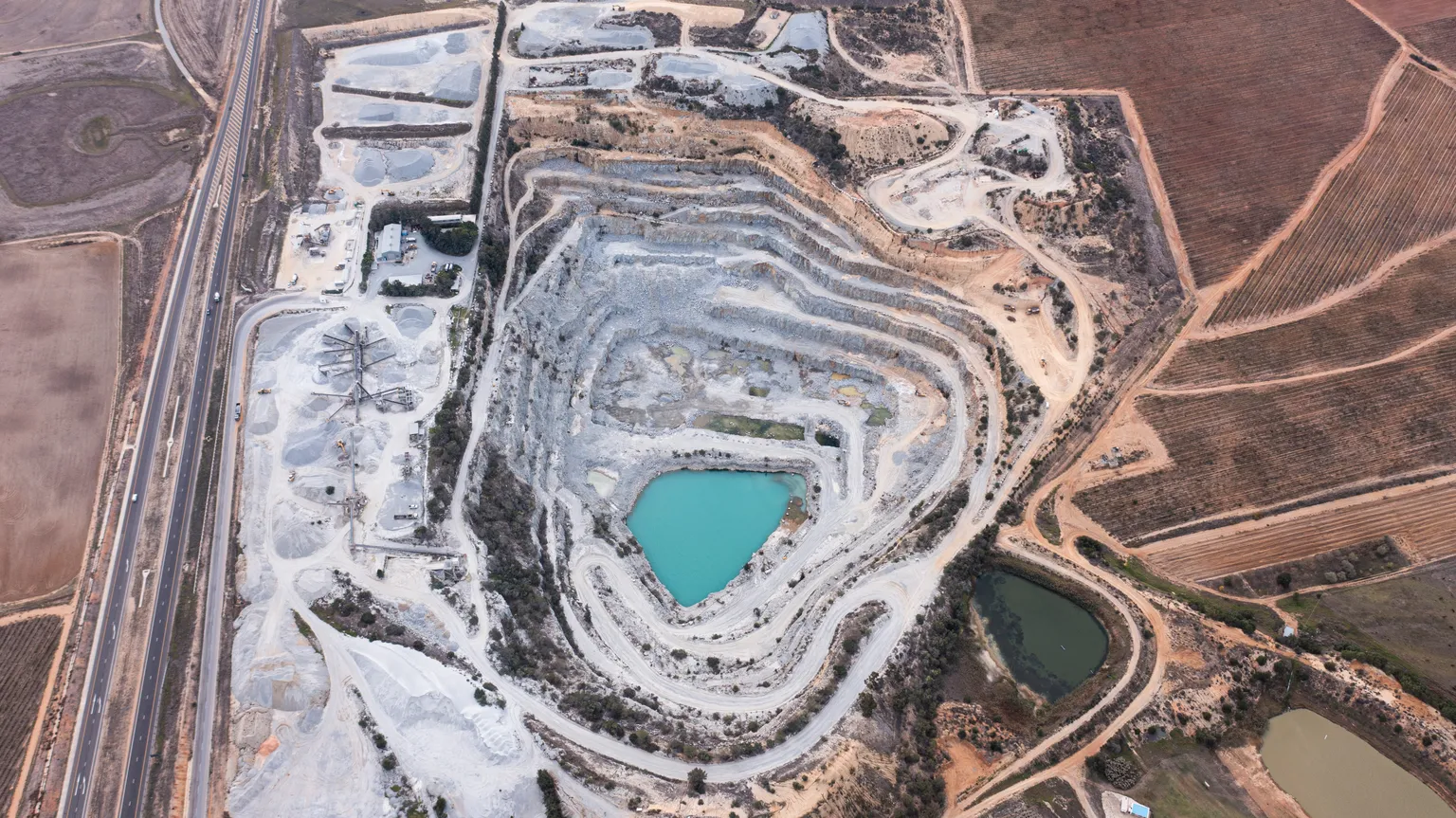
As Administrators, McGrathNicol managed Mineral Commodities Limited's global graphite and mineral sands operations while undertaking a strategic review of assets. We successfully ran an expression of interest campaign resulting in the sale of the Norwegian graphite mine, the largest in Europe, and continue to progress the sale process for the Australian graphite project. Our work preserved value, maintained continuity of operations, and delivered a successful divestment outcome.
How we can help
McGrathNicol helps energy, mining and natural resources companies improve performance, manage risk, resolve disputes, and achieve stability and growth through every phase of the commodity and capital cycle. We work with a range of corporates, financiers, investors and government organisations across the sector. Our independent experts help these businesses navigate volatile commodity prices and rising costs, production challenges, capital scarcity, increasing regulatory obligations and security risks, and the structural shift toward the nation's longer term energy transition.
We specialise in developing practical solutions tailored to your circumstances, spanning:
Liquidity constraints and capital solutions
Debt and equity capital solutions and transactions
Commercial support
Financial and economic modelling
Governance and performance improvement
Stakeholder management
Independent business reviews
Options and contingency planning
M&A and divestments
Safe harbour, formal restructuring or insolvency
Grounded in deep sector experience and with an unrivalled track record in complex, high-stakes situations, we support you with the information, analysis and frameworks to make confident, timely decisions to manage and respond to the risks and maximise on the opportunities.
1 https://www.industry.gov.au/sites/default/files/2026-07/resources-and-energy-quarterly-june-2026.pdf